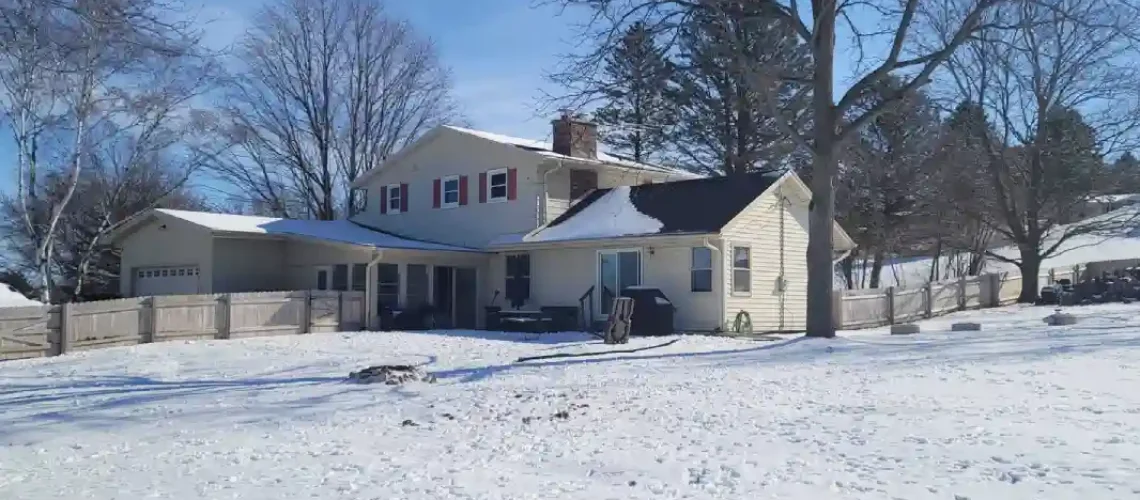
Wisconsin winters are tough on more than just driveways and vehicles. Months of snow, ice, wind, and freezing temperatures quietly put stress on your home’s exterior, especially your roof and drainage systems. While some damage is obvious, much of it goes unnoticed until spring rains arrive.
Late winter is the ideal time to take a closer look. Catching issues now can help prevent leaks, water damage, and costly repairs later.
Here’s what Wisconsin homeowners should inspect as winter starts to wind down.
How Winter Weather Affects Your Home’s Exterior
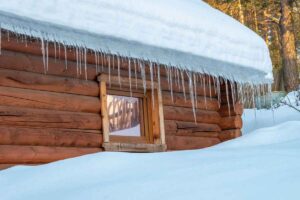
Snow accumulation, ice buildup, and repeated freeze-thaw cycles all take a toll on exterior materials. As snow melts during warmer days and refreezes overnight, moisture can work its way into small cracks and weak points. Over time, those small vulnerabilities can turn into bigger problems.
Even if your home made it through winter without obvious leaks, damage may still be present beneath the surface.
Key Areas to Inspect Before Spring
1. Roofing Shingles
Your roof takes the brunt of winter weather. Look for:
- Missing, cracked, or curling shingles
- Areas where shingles appear loose or lifted
- Excessive granules collecting near downspouts or at the base of your home
These can all be signs that winter conditions weakened your roof’s protective layers.
2. Flashing and Roof Penetrations
Flashing around chimneys, vents, and skylights helps keep water out. Winter ice and snow can cause flashing to separate or loosen. Even small gaps can allow water in once spring rains arrive.
3. Gutters and Downspouts
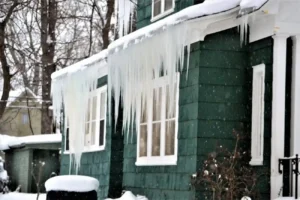
Ice buildup can pull gutters away from the fascia or cause sagging. Check for:
- Loose or detached gutters
- Cracks or splits
- Downspouts that aren’t directing water away from the foundation
Proper drainage is critical as snow melts and spring rain increases.
4. Fascia, Soffits, and Siding
These areas are often overlooked but play an important role in protecting your home. Look for:
- Peeling paint or visible water stains
- Soft or rotting wood
- Warping or gaps along siding panels
Damage here can allow moisture and pests into your home if left unaddressed.
5. Attic and Interior Warning Signs
Sometimes the first signs of exterior damage appear indoors. Check your attic and ceilings for:
- Water stains or discoloration
- Damp insulation
- Musty odors
These can indicate moisture intrusion that started during winter but hasn’t fully revealed itself yet.
Why Late Winter Is the Best Time to Inspect
Waiting until spring storms hit can turn minor damage into major repairs. Inspecting now allows homeowners to:
- Address small issues before they worsen
- Plan repairs before contractor schedules fill up
- Reduce the risk of interior water damage during heavy spring rains
Proactive inspections often save time, money, and stress.
When to Call a Professional
Some signs of damage aren’t visible from the ground, and climbing on a roof in winter conditions isn’t safe. A professional inspection provides peace of mind and helps identify issues that may not be obvious to homeowners.
An experienced exterior contractor understands how Wisconsin winters affect roofing and exterior systems and knows what to look for before spring weather arrives.
Prepare Now for a Smoother Spring
Winter may be ending, but its impact can linger if damage goes unnoticed. Taking time now to inspect your home’s exterior helps ensure it’s ready for spring rains and the months ahead.
If you’re unsure what to look for or want a professional assessment, scheduling an inspection before spring is a smart next step.